Shock waves in medicine: precise energy, real outcomes
Shock waves have many applications in medicine today. Originally used only to break up kidney stones, they are now used in orthopedic pain therapy, among other things.


What are shock waves
Shock waves are short, high-pressure sound pulses
Shock waves are sound waves. They occur in the atmosphere during explosive events, for example during detonations or lightning strikes, or when aeroplanes break through the sound barrier. Shock waves are acoustic pulses characterized by high positive pressure amplitudes and a steep pressure increase compared to the ambient pressure. They are capable of temporarily transmitting energy from the point of generation to remote regions, causing window panes to shatter, for example.
Shock waves are similar to ultrasound. But there is a major difference: shock waves have substantially higher pressure amplitudes, which means that steepening effects resulting from non-linearities in the propagation medium (water, human tissue) have to be taken into consideration.
Ultrasound waves are periodic oscillations with a narrow bandwidth (Fig. 1) whereas shock waves are characterized by a single, mostly positive pressure pulse followed by a comparatively small tensile wave component (negative pressure pulse).
Generation & Focal Zone
What are focused shock waves?
Focused shock waves can be generated by means of electrohydraulic, piezoelectric or electromagnetic shock wave generators.
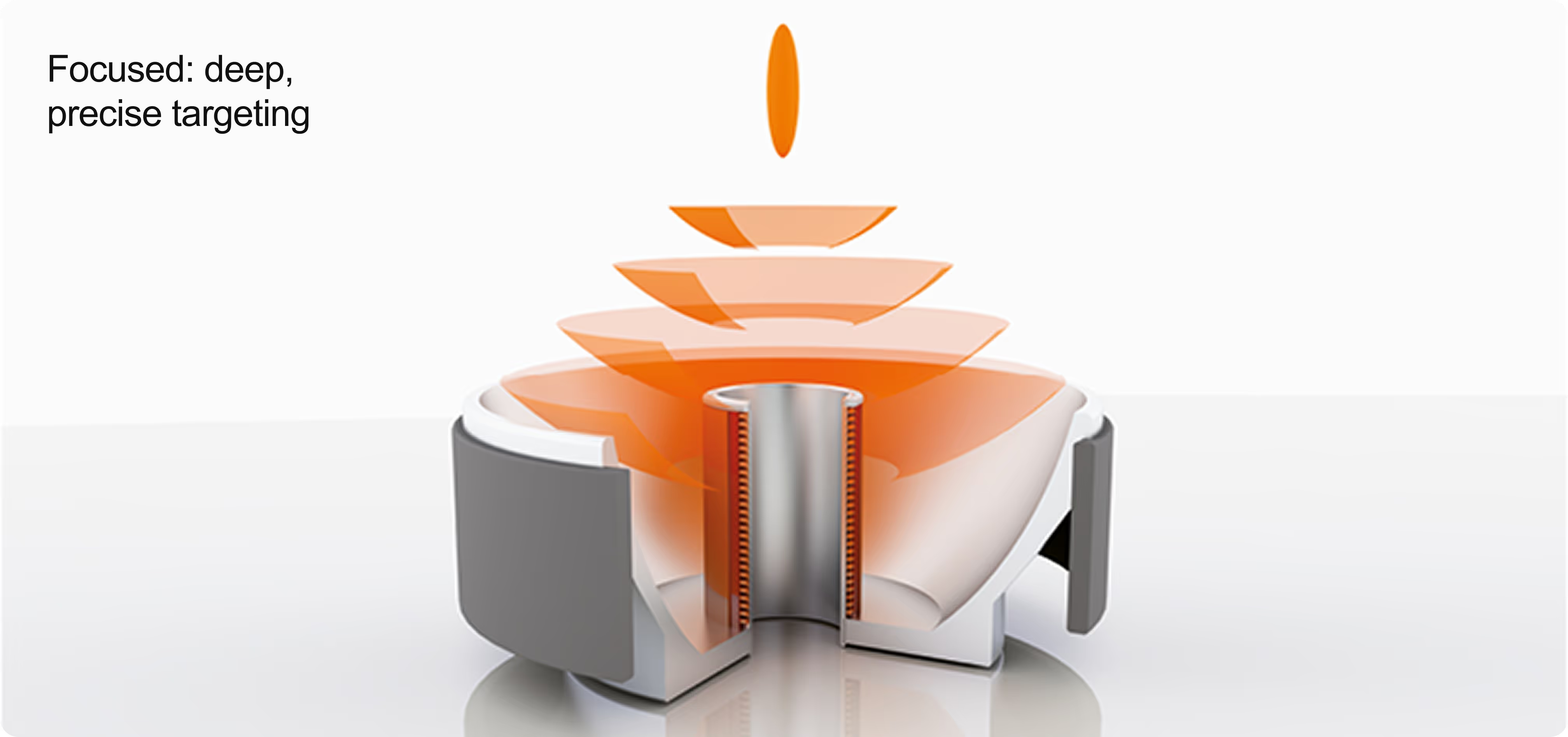
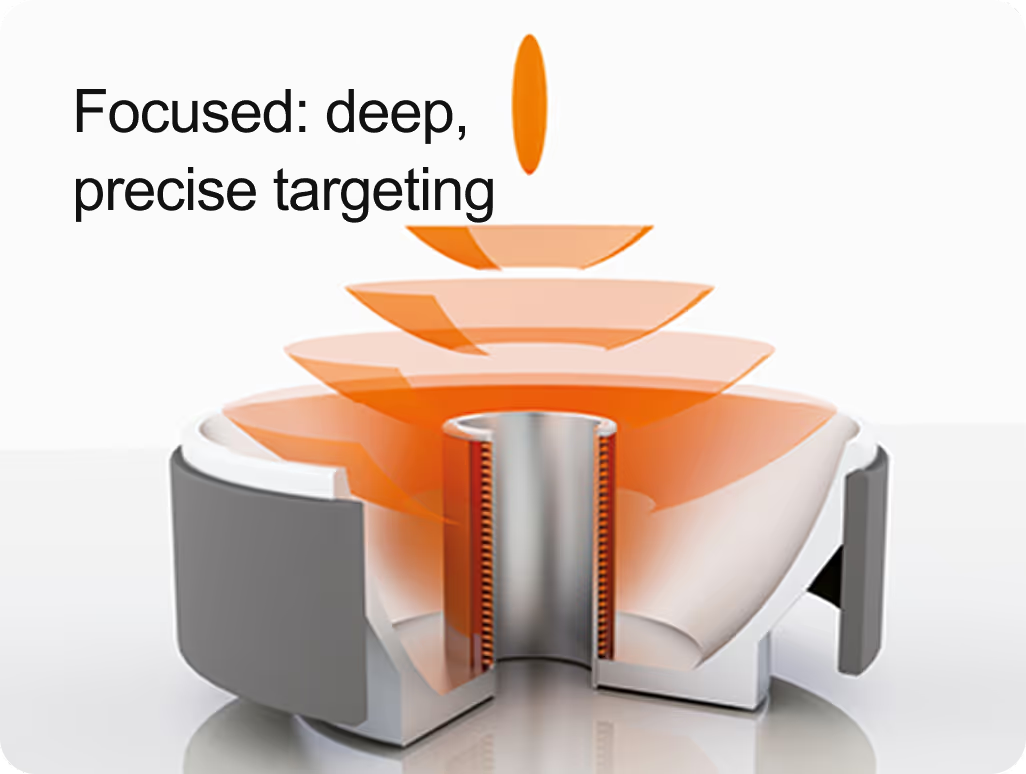
Electrohydraulic systems produce shock waves directly at the source. Piezoelectric and electromagnetic generators, however, create shock waves as a result of wave steepening and superposition, which means that the wave only forms in the focal zone where the intensity reaches its maximum.
The fact that shock waves produced with different types of generators have differently sized focal zones plays a key role in medical applications. Shock waves generated with the piezo-electric principle have the smallest focus, while those produced with an electrohydraulic source have the largest focus. From this, it follows that the shock wave dose that may be required for a specific treatment partly depends on the type of shock wave system employed.
Due to the comparatively large aperture of the electromagnetic shock wave source relative to the focus size, the shock wave energy can be introduced into the body over a large coupling area, causing hardly any pain.
Focused: deep, precise targeting
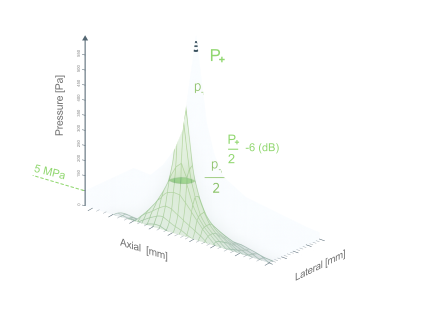
The shock wave focus is defined as the area within the mountain-like pressure distribution model in which the pressure is equal to or higher than 50% of the peak pressure (Fig. 6 and 7). This area is also referred to as the -6dB focal zone or described using the acronym FWHM (full width at half maximum).
Shock waves are acoustic waves. They require a medium such as water or air for propagation. In general, medically used shock waves are generated in water outside the body and then transmitted to the biological tissue. As tissue mainly consists of water, it has very similar sound transmission properties. These properties are described by the acoustic impedance (Z). As a consequence, shock waves are transmitted to the biological tissue without any significant loss.
The 5 MPa focus has been defined as the spatial zone in which the shock wave pressure is equal to or above 5 MPa. This definition is based on the assumption that a certain minimum pressure threshold exists below which shock waves have no or only minimal therapeutic effectiveness.
Key Parameters
How we quantify and dose shock waves
Energy
Shock wave energy is a key parameter5 in medical shock wave application even if, today, greater importance is being attributed to energy flux density. It can be assumed that shock waves only have an effect on tissue when certain energy thresholds are exceeded.
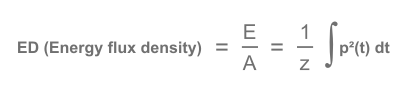
Energy Flux Density
The therapeutic effectiveness of shock waves depends on whether the shock wave energy is distributed over a large area or focused on a locally confined treatment zone (focal zone).
Momentum
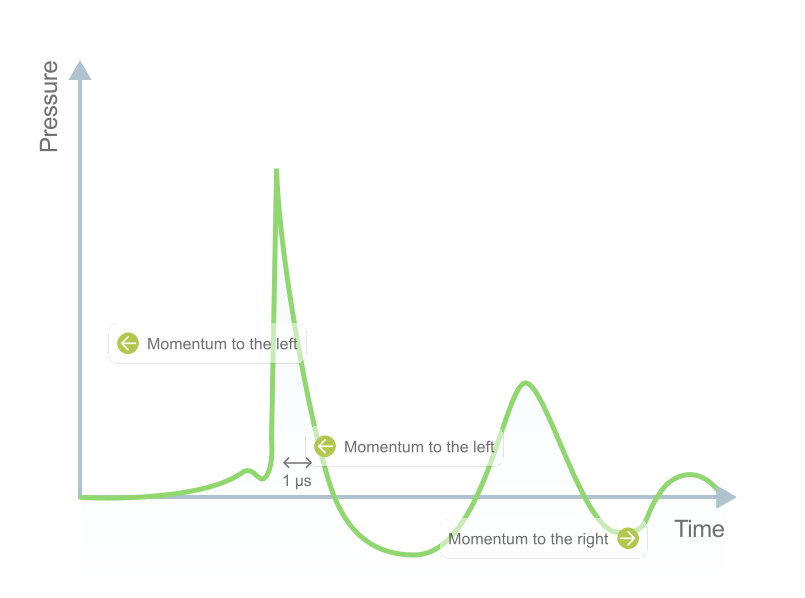
As with its energy, a shock wave’s momentum is defined in terms of the integration of pressure over time. Shock wave momentum is of crucial importance both for high-energy stone fragmentation and for the low-energy medico-biological stimulating effect. The momentum of a shock wave is particularly important since it is the means by which forces are exerted upon the matter.
Biological & Physical Effects
From Momentum Transfer to Mechanotransduction
The effect of shock waves in medicine can be attributed to the physical mechanism of momentum transfer and the action of force that this causes. It has been shown that, in most cases, shock wave therapy results in increased blood circulation and enhanced metabolic activity, leading to the onset of the healing process.
Substance Release
Mechanotransduction offers an explanation as to why a number of biochemical substances – such as nitric oxides (NO), growth factors and substance P – are released.
Accelerates Healing
It has been shown that, in most cases, shock wave therapy results in increased blood circulation and enhanced metabolic activity, leading to the onset of the healing process.
Indirect Effects – Cavitation
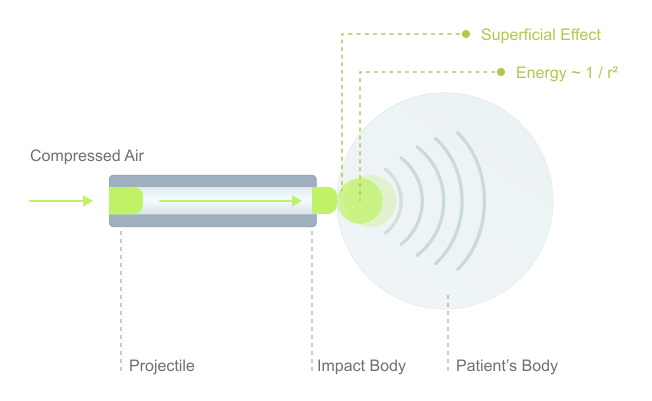
As the shock waves pass through the medium, gas dissolved in the blood or tissue is released and forms bubbles. This phenomenon is referred to as soft cavitation. The cavitation bubbles formed in this manner may tear open blood vessels and cells. This causes micro-bleeding or membrane perforation.
Radial Pressure Waves
What are Radial Pressure Waves?
Mechanical energy in the form of an acoustic pressure wave is transmitted to the body tissue and, consequently, to the pain region by means of specially shaped transmitters. Introduced in the late 1990s, ballistically generated radial pressure waves are a lower-cost alternative to shock waves, especially in the treatment of musculoskeletal disorders.
Many conditions that indicate the use of radial pressure waves, and the successful therapeutic outcomes achieved, are very similar to those associated with focused shock waves.28 In medical practice, the term »Radial Shock Wave Therapy« (RSWT) is therefore commonly used.
Applications and Targeting
Clinical Use and Target Localization
Today, extracorporeally generated shock waves and pressure waves are used in the most diverse medical disciplines. Depending on the specific type of application, we refer to Shock Wave Therapy (SWT) or – in urinary stone management – to Shock Wave Lithotripsy (SWL).
Urinary stone management
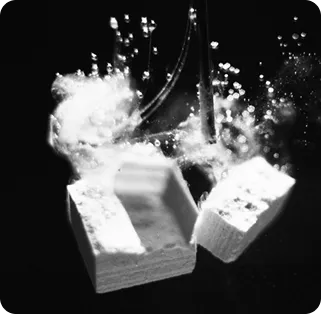
This non-invasive therapy procedure dates back to the 1960s, when the idea emerged of generating shock waves extracorporeally and then transmitting them into the body to disintegrate kidney stones and gallstones – without damage to the tissue that the waves pass on their way to the target area.
.webp)
Clinical Use and Target Localization
Today, extracorporeally generated shock waves and pressure waves are used in the most diverse medical disciplines. Depending on the specific type of application, we refer to Shock Wave Therapy (SWT) or – in urinary stone management – to Shock Wave Lithotripsy (SWL).

Veterinary application
After having proved its effectiveness in human medicine over decades, shock wave therapy has also made its way into veterinary medicine.
SHOCK WAVE TECHNOLOGY
Products Built on Shock Wave Science: Explore STORZ MEDICAL Systems
DUOLITH SD1 T-TOP »ultra«
Focused shock wave therapy (ESWT) for non-invasive treatment of orthopedic disorders
.png)
MAGNETOLITH ultra+
Extracorporeal Magnetotransduction Therapy (EMTT) for regeneration and rehabilitation of musculoskeletal disorders
%2520(1).avif)
MODULITH SLX-F2 »connect«
Multifunctional urological workstation with built-in shock wave system for endourological procedures and SWL
.png)
.png)